

Today's Environment
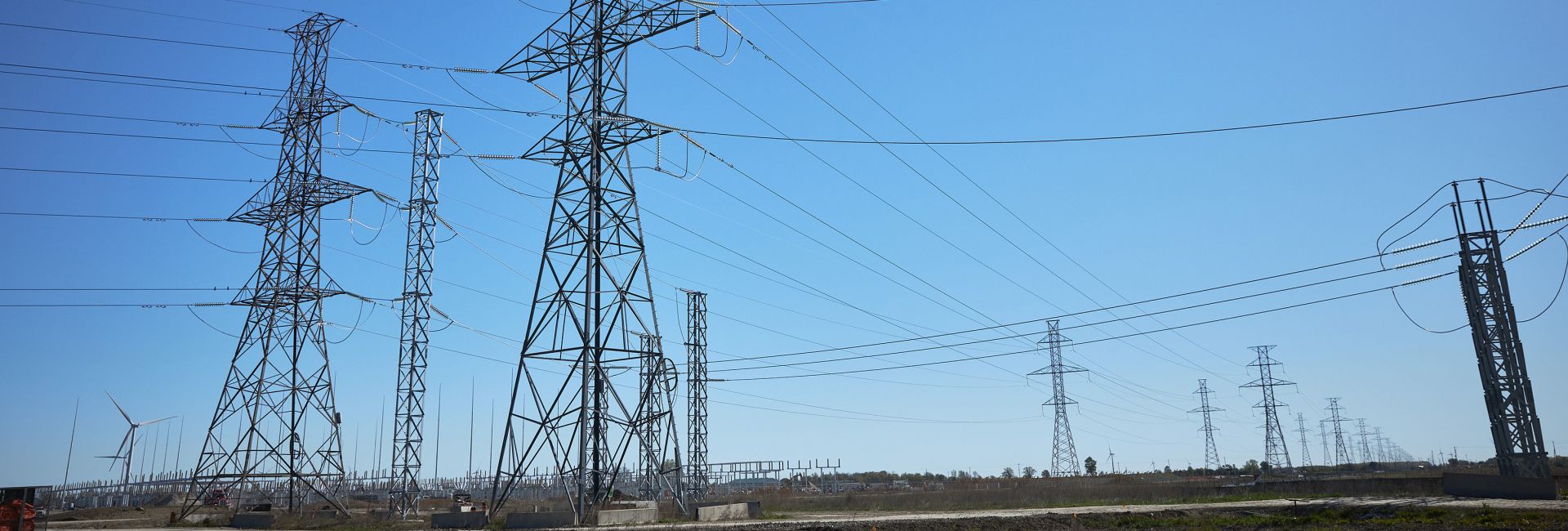
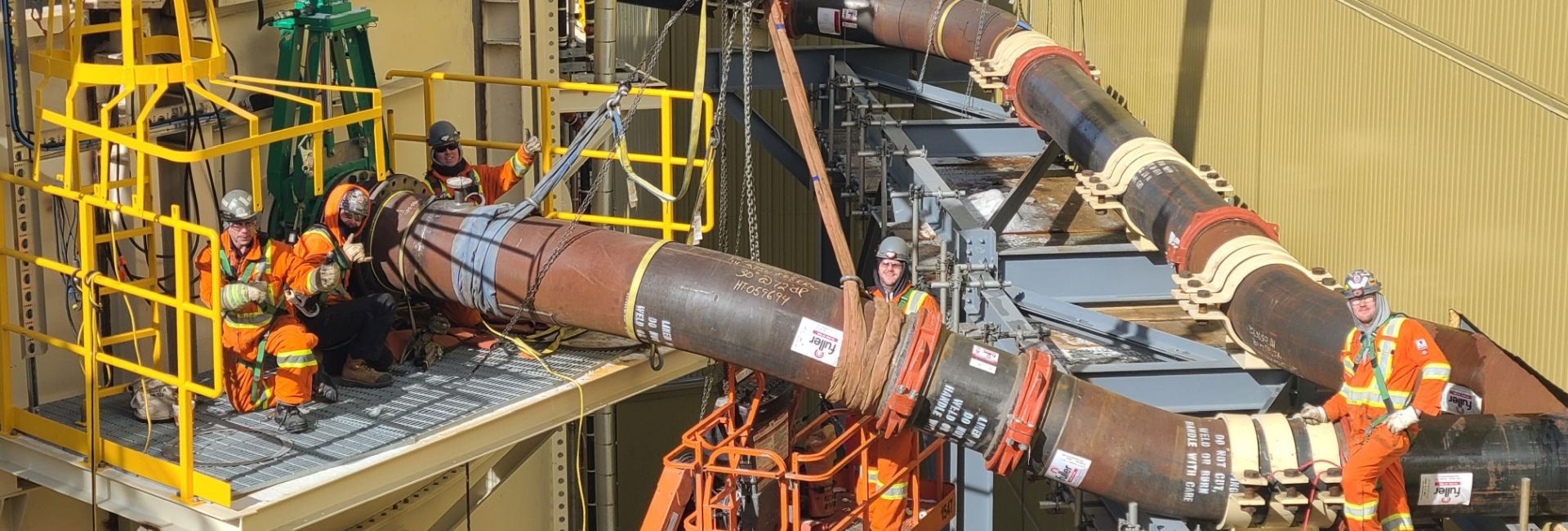
Ontario has many large-scale and critical projects on the horizon with overlapping timelines in clean energy, transit, roads and highways, as well as schools and hospitals. The number one success factor in completing projects is the supply of skilled trades.Currently, the number of building trade retirements is outpacing the recruitment of new entrants. Ontario needs a strategic approach to building, sustaining and deploying the skilled trades workforce it needs for its portfolio of major projects.

Ontario Budget 2023
This is the most ambitious capital plan in Ontario’s history -- $184 billion including:
- $27.9B for highway expansion/rehab
- $70.5B for transit
- $48B on 50 hospital projects
- $15B for schools
OPG
As the Darlington Refurbishment Project progresses, planning is underway for refurbishing Pickering Nuclear’s Units 5 to 8. This project will secure 30-plus more years of clean power for Ontario while maintaining thousands of skilled jobs and avoiding 120 megatonnes of carbon emissions. This is in addition to OPG’s continued work on North America's first Small Modular Reactors and redevelopment of hydroelectric assets critical to maintaining a reliable and low-carbon electricity system.
Bruce Power
Already producing 30 per cent of Ontario’s electricity, Bruce Power is exploring long-term planning for nuclear expansion with the support of the Ontario government. “Nuclear power has been the stable backbone of Ontario’s clean electricity system for decades and Bruce Power is ready to play an integral role in addressing the province’s clean energy needs, while supporting good jobs and economic prosperity for the future.” - Mike Rencheck, President and CEO of Bruce Power.
Electric vehicle manufacturing
LG Energy Solution and Stellantis announced plans to build an EV battery plant in Windsor. VW St. Thomas, is establishing its first overseas electric vehicle battery manufacturing plant. General Motors has retooled the Ingersoll CAMI assembly plant. Stellantis is also rebuilding its Brampton and Windsor assembly plants.
The Ontario government has signaled its plans to turn Ontario into 'auto manufacturing powerhouse' driven manufacturing and the mining of critical minerals.
Building on Our Strengths
The organized construction sector includes building trade unions, contractors that hire unionized skilled trades, and the owners of projects. This sector is a cornerstone of Ontario's economic growth and diversification, with decades of expertise bringing together capable contractors and highly skilled, certified, and safety-conscious workers to enhance Ontario’s economic competitiveness.
Owners - owners (buyers of construction, refurbishment, and maintenance services) are experiencing an ever-increasing demand for skilled trades and other human resources to work on, and efficiently complete, large projects. They require experienced workers that are highly trained, skilled, safe, and productive.
Contractors - for capital projects, owners generally are not directly hiring workers. Owners invite large construction companies to bid on the management of the project and delivery of the asset. These contractors will invite competitive bids from sub-contractors specializing in specific construction functions. They are represented by employer associations which, among other things, negotiate collective agreements with affiliate unions.
Local Unions - building Ontario’s infrastructure and capital projects requires the contributions of a wide variety of skilled trades. The organized sector relies on unionized skilled trades workers for the certainty they provide in competency, safety training, and the commitment of union locals to reliably meet skilled trade labour needs.